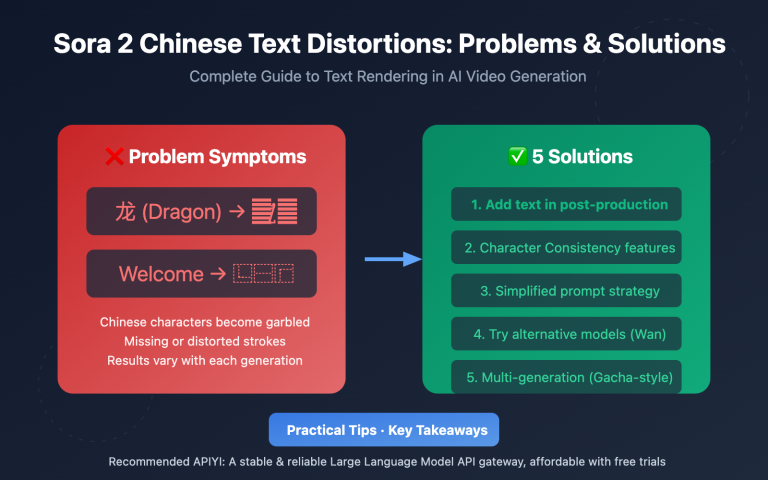
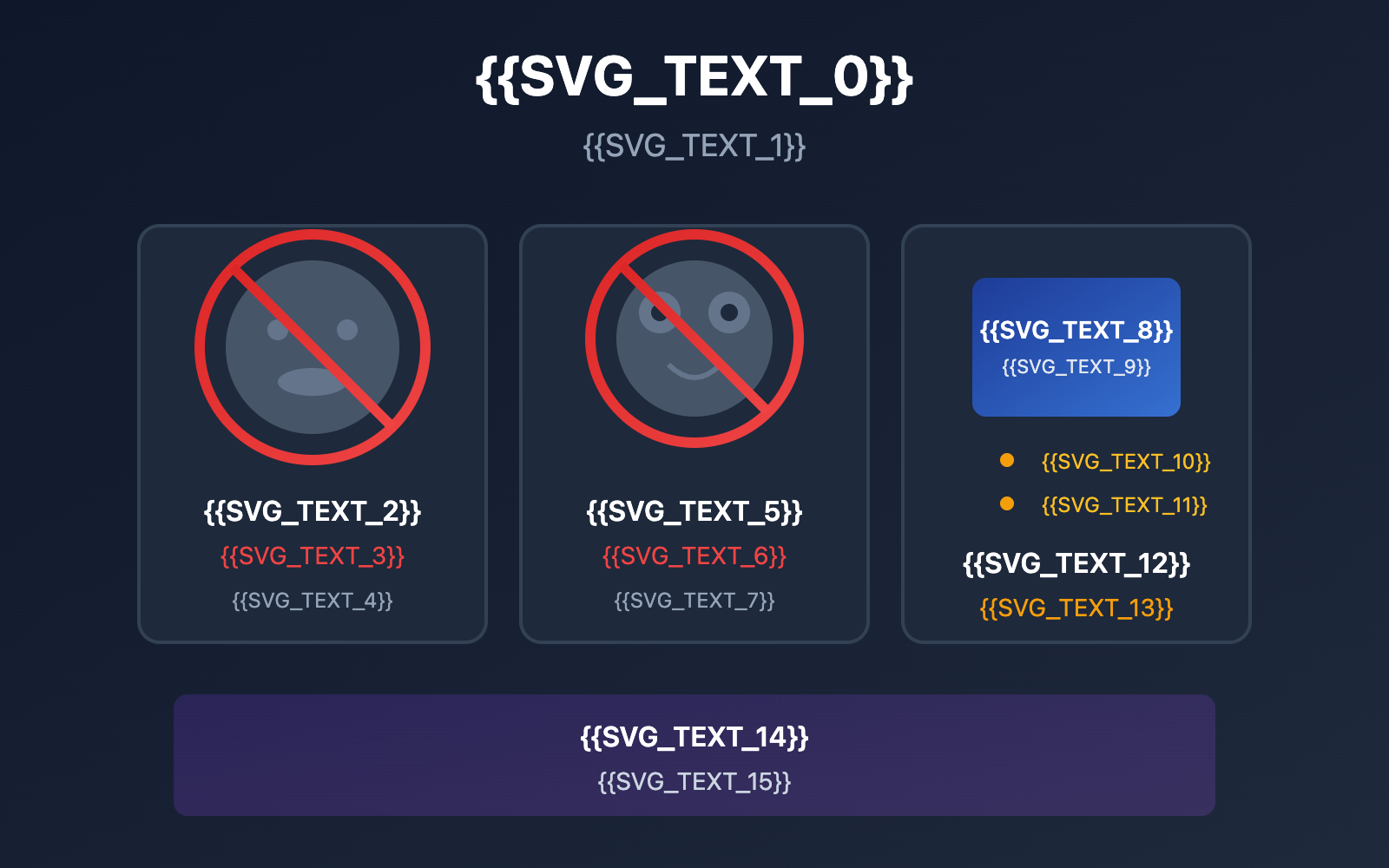
OpenAI Sora 2's character creation feature is facing strict policy restrictions. Face uploads have been completely banned, whether they're real people or anime characters. This has dealt a massive blow to creators who rely on character consistency.
Core Points: This article will break down Sora 2's latest character creation restriction policies, analyze their impact on AI video creation, and provide some practical alternatives.
Sora 2 Character Creation Restrictions: Core Policy Breakdown
Under the latest January 2026 policy, Sora 2 has implemented unprecedentedly strict limits on character creation. Here's a detailed look at the five key restrictions.
Restriction 1: Total Ban on Real Human Face Uploads
| Restricted Item | Policy Details | Scope of Impact |
|---|---|---|
| Real Photo Uploads | System automatically detects and rejects | All images containing faces |
| Celebrity Likeness Generation | Triggers copyright warnings and blocks | Public figures, celebrities |
| Private Likeness Creation | Requires self-recorded consent video | Any identifiable individual |
| Deepfake Protection | Strict identity verification mechanisms | Prevents malicious use |
Currently, Sora 2 can't generate video from any uploaded image that contains a face. The system automatically scans for facial features or identifiable characteristics and halts generation immediately. This is a core part of OpenAI's privacy and safety policy, specifically designed to prevent the abuse of deepfakes.
Restriction 2: Anime Characters Are Also Restricted
Many creators thought they could bypass face restrictions by using anime characters, but that's no longer the case:
| Anime Type | Restriction Status | Specific Behavior |
|---|---|---|
| Famous Japanese IPs | Completely Banned | Pikachu, Luffy, Naruto, etc. |
| Western Animated Characters | Completely Banned | Disney, Marvel characters |
| Game Characters | Completely Banned | Final Fantasy, Mario, etc. |
| Original Style Imitation | Partially Available | Must avoid obvious IP characteristics |
The Japanese government has officially entered negotiations with OpenAI to protect anime and manga, which they consider "world-class cultural treasures." In just a few days, generation capabilities for a massive number of Japanese anime and game characters have been systematically blocked.
🎯 Policy Background: In October 2025, the Motion Picture Association (MPA) warned OpenAI, demanding "immediate and decisive action" to stop copyright infringement. OpenAI subsequently shifted from an "opt-out" model to an "opt-in" model—no character is allowed without explicit authorization from the copyright holder.
Restriction 3: Character Consistency Challenges
Even if you successfully create a character, keeping them consistent across different videos is a massive headache:
Character Consistency Problem Example:

Video Clip A: Character wears red, short hair
Video Clip B: Same character now has long hair, clothes color shifts
Video Clip C: Facial features undergo subtle changes

→ Impossible to edit into a coherent narrative film.
This phenomenon is known as "Identity Drift." Right now, Sora 2 doesn't support persistent character memory across prompts. Every generation is a clean slate. Even when using reference images, users report that faces, clothing, and body proportions still drift.
Restriction 4: Cameo Feature Limitations
Sora 2 launched the "Cameo" feature based on a consent mechanism, but it comes with strings attached:
| Cameo Feature | Description | Restrictions |
|---|---|---|
| Creation Method | Record a short video with audio | Restricted to the person themselves |
| Usage Permissions | Choose "Only me" or "Designated users" | No public authorization option |
| Revocation Mechanism | Can revoke others' access at any time | Past videos are traceable |
| Minor Protection | Stricter default permission settings | Daily generation limits |
This means that early-created Cameo characters have become rare assets. New users can no longer create characters just by uploading photos; they have to go through the audio/video verification process to create their own likeness.
Restriction 5: The Ripple Effect of Content Moderation
| Moderation Type | Detection Content | Consequence |
|---|---|---|
| OCR Recognition | Brand logos, copyright marks | Generation blocked |
| Visual Detection | Celebrity faces, private info | Immediate rejection |
| Prompt Filtering | Violence, adult content keywords | Warning + Block |
| Style Detection | Obvious imitation of famous IP styles | May be flagged |
4 Major Impacts of Sora 2 Character Restrictions on Creators
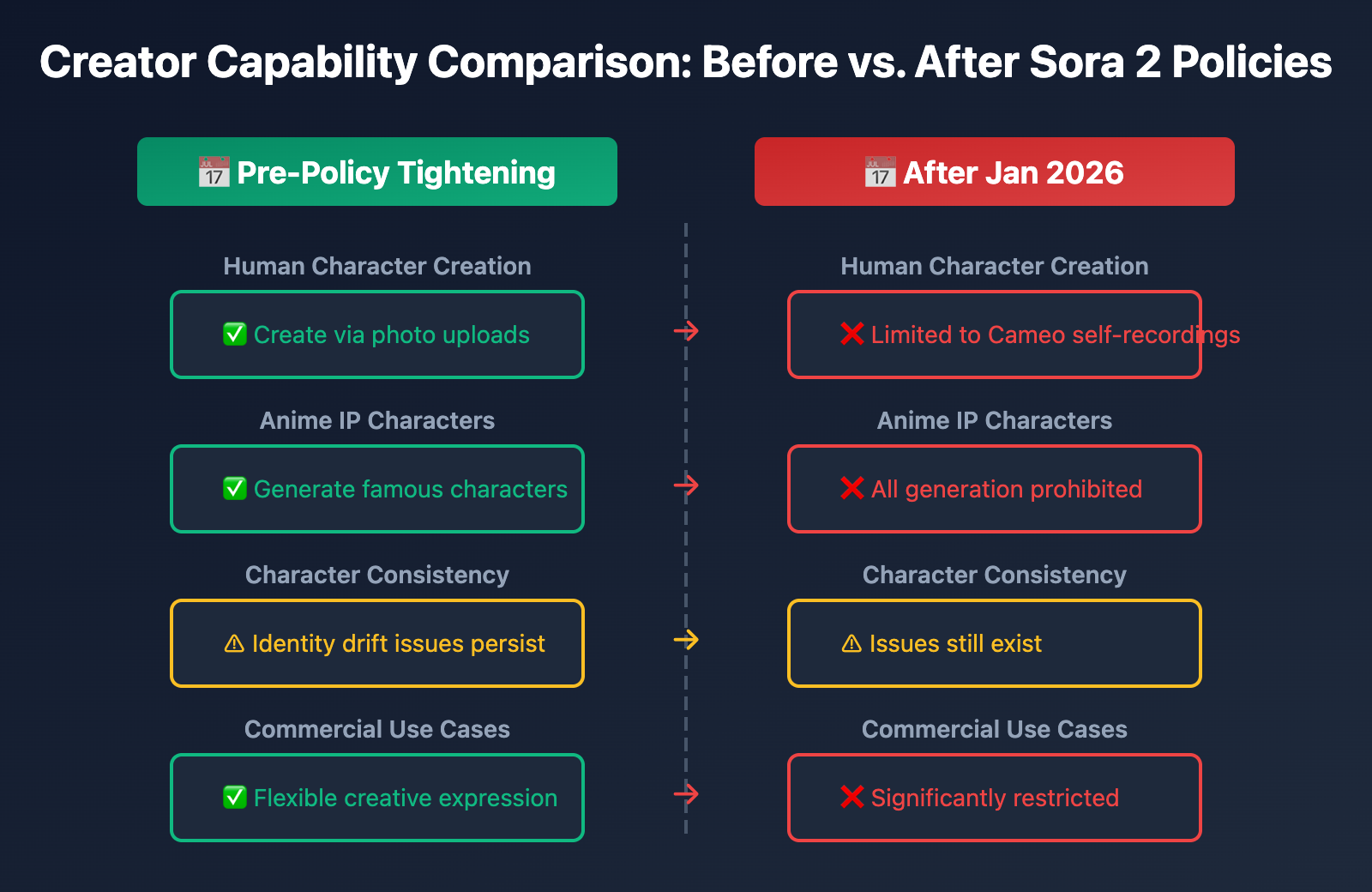
Impact 1: Hindered Narrative Continuity
For creators of short films, ads, or serial content who need consistent characters, character consistency issues mean:
- You can't create multi-episode series with a consistent protagonist.
- Characters may vary between different video segments.
- Post-production editing difficulty increases significantly.
Impact 2: Restricted Commercial Applications
| Use Case | Before Restrictions | After Restrictions |
|---|---|---|
| Brand Spokesperson Videos | Can use virtual avatars | Requires manual modeling |
| Product Showcases | Can add character interactions | Limited to human-free scenes |
| Educational Content | Can create virtual instructors | Requires real person or Cameo |
| Entertainment Shorts | Can use IP characters | Original abstract styles only |
Impact 3: Narrowing Creative Boundaries
Sora 2's content policies have been criticized by some users for "stifling creativity." Within the OpenAI developer community, users have noted:
- Even simple artistic creations might trigger restrictions.
- The definition of "style imitation" remains vague.
- Creative freedom has dropped significantly compared to earlier versions.
Impact 4: First-Mover Advantage for Early Users
One phenomenon worth watching: characters created early on have become more valuable.
Due to the new creation restrictions, those Cameo characters created before the policy tightening have become scarce resources. New users can't replicate this advantage, creating a de facto "first-mover dividend."
Strategies for Handling Sora 2 Character Restrictions
Strategy 1: Use Stylized Descriptions Instead of Specific Characters
Effective prompt strategies:

❌ Avoid: "Generate a video of Pikachu dancing"
✅ Recommended: "Generate a small yellow cartoon creature dancing, 90s Japanese anime style"

❌ Avoid: "Generate an Iron Man flight scene"
✅ Recommended: "Generate a red and gold mecha warrior flying over a city, sci-fi movie style"
Strategy 2: Leverage the Cameo Feature for Original Characters
If you need a consistent character, the most reliable method now is:
- Record a short video of yourself including audio.
- Select the appropriate authorization scope.
- Call your Cameo character in subsequent creations.
🎯 Technical Tip: For AI video projects requiring multi-model capabilities, you can use the APIYI (apiyi.com) platform to call various video generation models through a unified interface. The platform supports mainstream models like Sora, Runway, and Luma, making it easy to compare character handling across different models.
Strategy 3: Explore Other Video Generation Models
| Model | Character Restrictions | Consistency Support | Available via APIYI |
|---|---|---|---|
| Sora 2 | Strict | Limited | ✅ |
| Runway Gen-3 | Moderate | Good | ✅ |
| Luma Dream Machine | Relatively Loose | Moderate | ✅ |
| Pika Labs | Relatively Loose | Moderate | ✅ |
| Veo 3 | Strict | Excellent | ✅ |
Different Large Language Models have different policies regarding character creation. For projects requiring high character consistency, consider a multi-model combination strategy.
Strategy 4: Monitor Policy Dynamics and Adjustments
OpenAI's policies are still evolving. Key signals to watch include:
- Whether the Cameo feature will open up more creation methods.
- Technical improvements in character consistency features.
- Progress in licensing collaborations with copyright holders.
Technical Principles of Sora 2's Character Restrictions
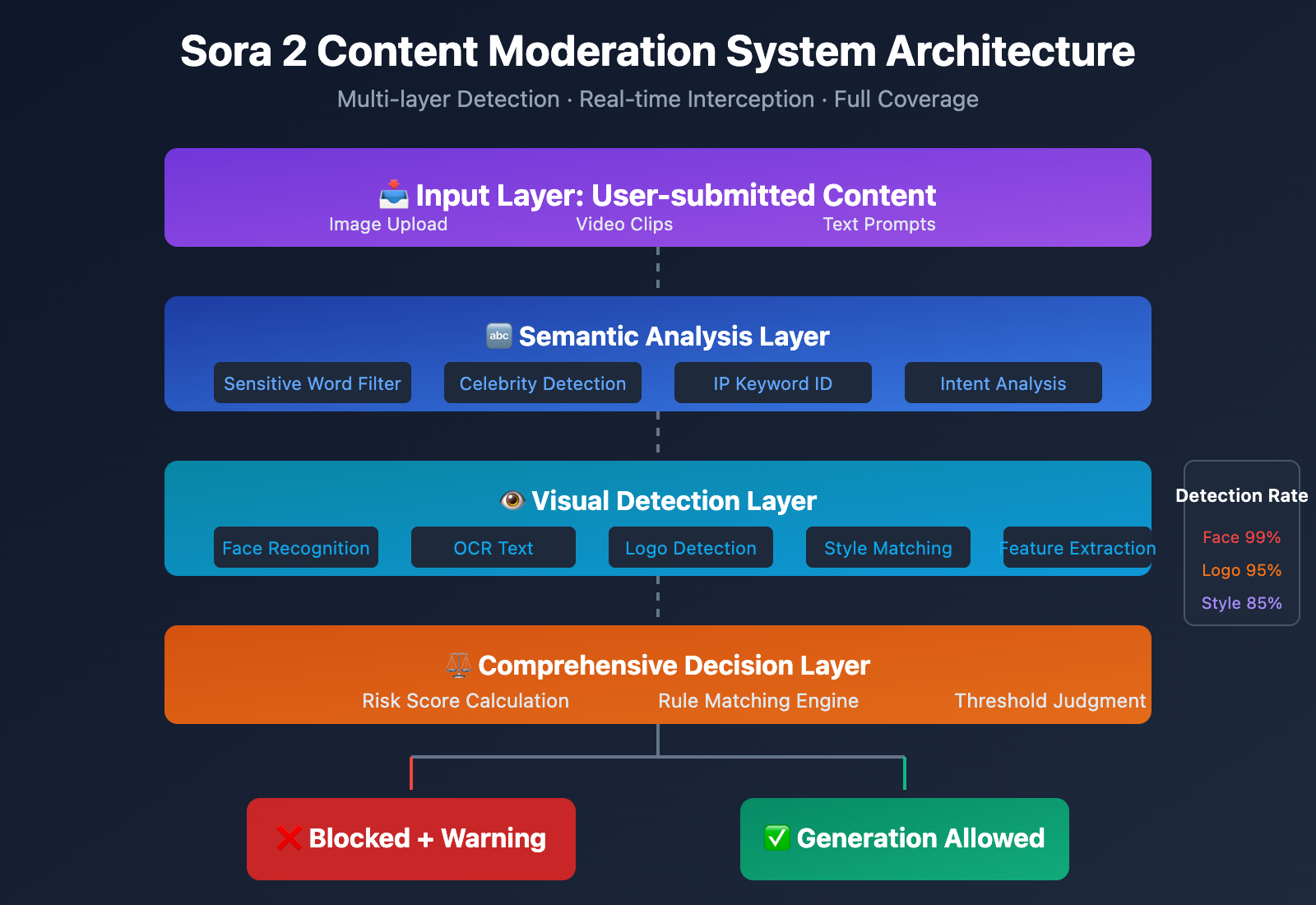
Multi-layer Detection Mechanism
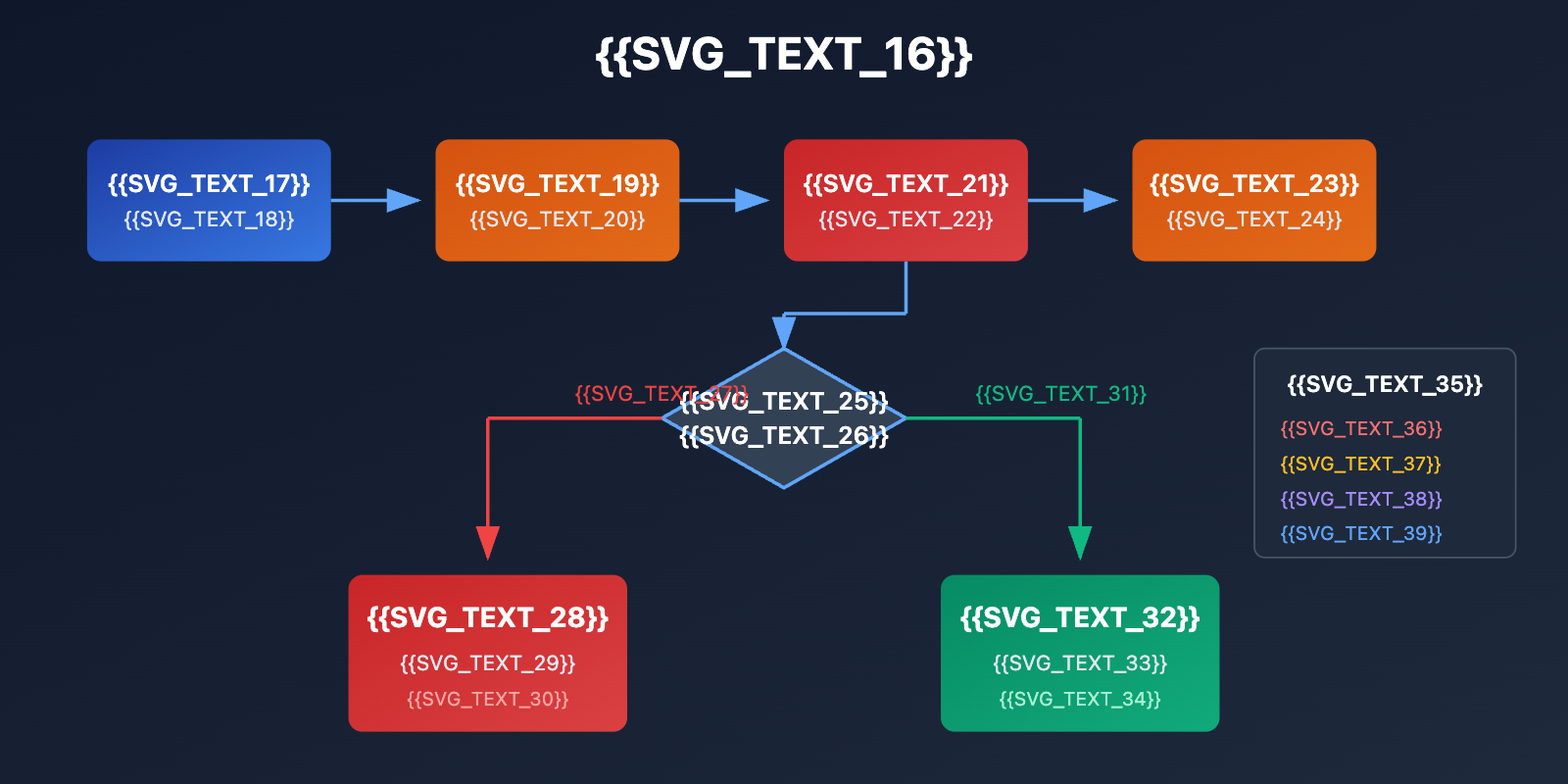
Sora 2 uses a multi-layered content detection system:
Input Processing Flow:

User uploads image/prompt
        ↓
    OCR Text Recognition → Detect brand and copyright logos
        ↓
    Face Detection Engine → Identify real/anime faces
        ↓
    Style Analysis Model → Match known IP characteristics
        ↓
    Semantic Analyzer → Detect sensitive keywords
        ↓
    [Pass] → Generate video
    [Reject] → Return warning message
Consent Verification Mechanism
Technical implementation of the Cameo feature:
| Verification Step | Technical Means | Purpose |
|---|---|---|
| Video Recording | Liveness detection | Confirm the user is operating in person |
| Audio Verification | Voiceprint matching | Prevent forged consent |
| Continuous Verification | Re-verification during use | Prevent authorization abuse |
| Traceability System | Video watermarking | Track the generation source |
FAQ
Q1: Why was my anime-style image rejected too?
Sora 2 doesn't just detect real human faces; it also identifies the style characteristics of famous IPs. Even for "anime-style" images, if they contain recognizable copyrighted character traits, the system will block them. It's best to use more abstract, generic style descriptions and avoid obvious IP imitation. You can use APIYI (apiyi.com) to test how different models respond differently to the same prompt.
Q2: Will Cameo characters created early on be deleted?
According to OpenAI's current policy, compliantly created Cameo characters won't be deleted. However, if a character involves someone else's portrait rights or violates terms of use, it might be handled retroactively. We recommend keeping a backup of the consent records from when the character was created.
Q3: Is there a way to bypass face restrictions?
We don't recommend trying to bypass system restrictions. OpenAI constantly updates its detection mechanisms, and bypass attempts could lead to account bans. A more reliable approach is to use the Cameo feature to create your own compliant characters or explore other video models with more relaxed character restrictions. The APIYI (apiyi.com) platform provides access to multiple models, making it easy to choose the one that fits your needs best.
Q4: Is there a solution for character consistency issues?
Currently, character consistency in Sora 2 is a technical limitation rather than a policy one. OpenAI might improve this in future versions. Current workarounds include keeping the character within a single video, using the Cameo feature, or using post-editing techniques to bridge any differences.
Q5: Will these restrictions be relaxed?
Looking at policy trends, it's unlikely they'll be relaxed in the short term. Pressure from copyright holders and for privacy protection remains constant. However, OpenAI might introduce more authorized partnership models, allowing certain IPs to be used after obtaining official authorization. Keep an eye on official OpenAI announcements for the latest updates.
Industry Impact Analysis
Impact on the AI Video Creation Ecosystem
| Impact Area | Short-term Impact | Long-term Trends |
|---|---|---|
| Individual Creators | Reduced creative freedom | Shift toward original styles |
| Commercial Apps | Obstacles in certain scenarios | Driving licensing partnerships |
| Copyright Protection | IP holders gain protection | Establishing licensing ecosystems |
| Tech Development | Consistency becomes a selling point | Differentiated competition |
Impact on Competitors
Sora 2's strict limitations might drive users to explore other video generation platforms. While models with fewer restrictions might see a growth opportunity, they'll likely face similar copyright pressures down the road.
💡 Selection Advice: Choosing the right video model depends on your specific creative needs. We recommend performing comparative tests across multiple models via the APIYI (apiyi.com) platform. It supports a unified interface for mainstream video generation models, making it easy to quickly evaluate how different models handle characters and their overall output quality.
Summary
The character creation restrictions in Sora 2 reflect the multi-faceted challenges currently facing the AI-generated content field: the triple pressure of privacy protection, copyright compliance, and technical limitations.
Key Takeaways:
- Face uploads are fully banned – This applies to both real people and anime characters.
- Upgraded copyright protection – A shift from "opt-out" to an "opt-in" model.
- Character consistency challenges – The "identity drift" issue hasn't been fully solved yet.
- Cameo features are limited – It only supports creation via recordings of yourself.
- Early character scarcity – Early adopters are gaining a distinct advantage.
For creators who rely on character consistency, the current strategies are: leverage Cameo to create original characters, use stylized prompts, and explore multi-model combination solutions.
We recommend using APIYI (apiyi.com) to quickly test the character-handling capabilities of various video generation models to find the solution that best fits your project's needs.
References:
- OpenAI Sora Policy Page: openai.com/policies/creating-sora-videos-in-line-with-our-policies
- OpenAI Cameo Help Documentation: help.openai.com/en/articles/12435986-generating-content-with-characters
- Report on Japanese Government's negotiations with OpenAI: theregister.com/2025/10/15/japan_openai_copyrighted_anime
📝 Author: APIYI Team
📅 Release Date: January 26, 2026
🔗 Technical Exchange: Welcome to visit APIYI (apiyi.com) for more AI model tutorials and guides.