Author's Note: A deep dive into the definition, features, and production methods of motion comics, covering AI motion comic tool recommendations and a complete workflow to help creators get started quickly.
What are motion comics? This is a question many content creators and short-form video enthusiasts are asking. With the explosive growth of AI technology in 2025, motion comics have become the hottest content track since short dramas, with the market size expected to surpass 20 billion RMB by 2026.
Core Value: By reading this article, you'll gain a comprehensive understanding of the definition and characteristics of motion comics, master the full AI production process, and learn how to choose the right tools for your needs.
What are Motion Comics: Core Concept Analysis
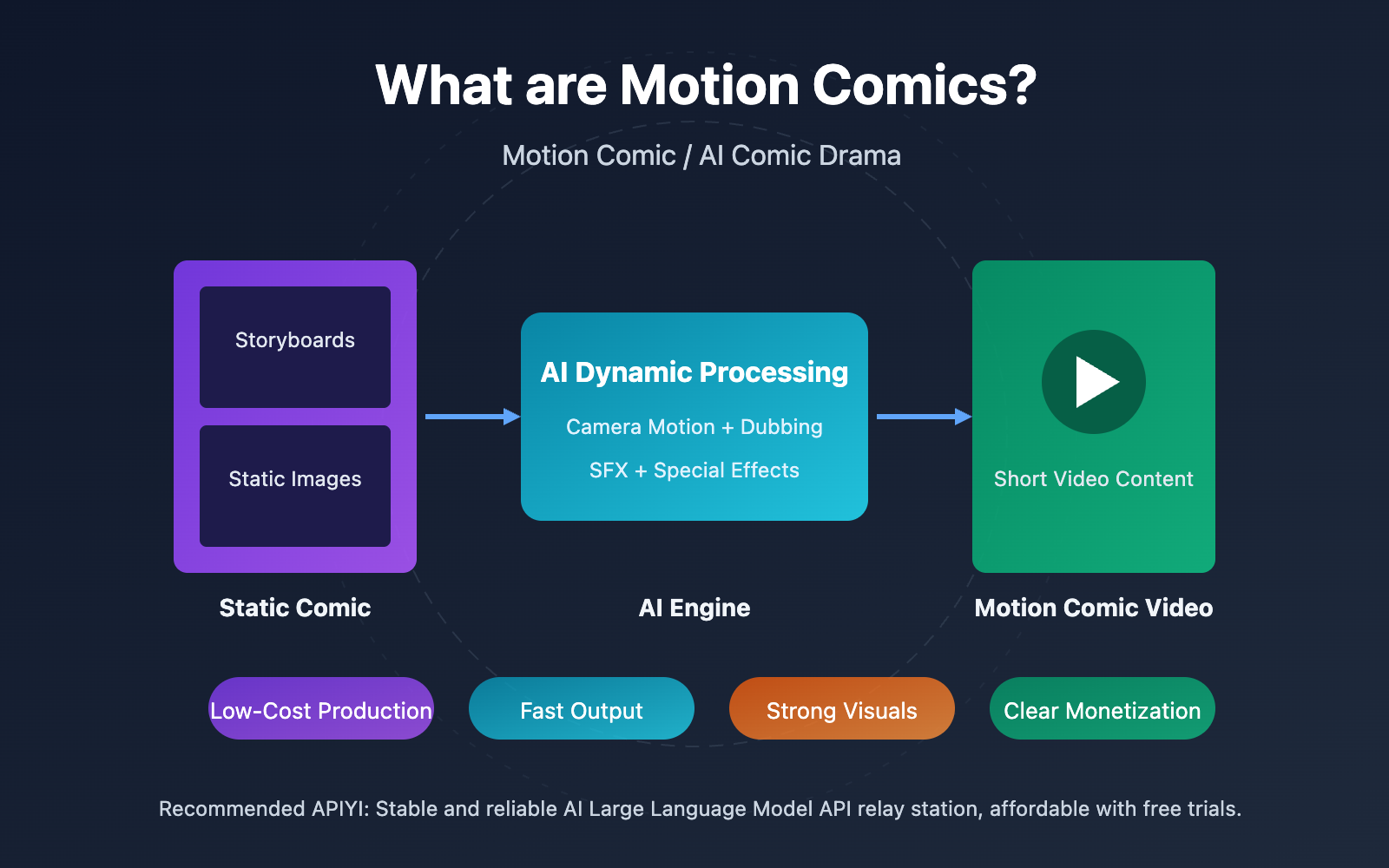
A motion comic (Motion Comic / Animated Comic) is an emerging content format that sits between traditional comics and full-blown animation. It takes static comic panels and re-processes them with dynamic effects, voiceovers, sound effects, and background music to create a short-video experience with full audiovisual immersion.
| Core Features | Description | User Value |
|---|---|---|
| Dynamic Static Images | Adding camera pans, zooms, and transitions to comic panels. | Enhances visual immersion. |
| Voice Acting | Using professional or AI dubbing to give characters voice and emotion. | Increases the story's emotional impact. |
| Sound Effects & Music | Using ambient sound effects and BGM to build atmosphere. | Strengthens the viewing experience. |
| Vertical Short Video | Tailored for platforms like TikTok/Douyin and Kuaishou. | Easy to share and distribute. |
The Evolution and Market State of Motion Comics
Motion comics aren't exactly a brand-new concept—the format has existed since the early 2000s. However, what really made them explode was the maturation of AI technology between 2024 and 2025:
- 2024: AI drawing tools (Midjourney, Stable Diffusion) drastically lowered the entry barrier for comic creation.
- 2025: AI video generation (Runway, Pika) enabled the automated processing of dynamic visuals.
- 2026: Fully automated AI motion comic tools emerged, allowing up to 80% of content to be generated automatically by AI Agents.
According to market research reports, the motion comic market in 2025 achieved what took the short drama market 3-4 years to develop, becoming a massive hit for content entrepreneurs.
🎯 Trend Insight: Motion comic production costs are only about 1/10th of traditional animation, and the production cycle is 80% shorter. It's the best entry point for small to medium-sized creators to break into dynamic content.
If you want to quickly test out Large Language Model capabilities for AI motion comics, you can get free testing credits at APIYI (apiyi.com).
Core Differences: Motion Comics vs. Traditional Animation
Many people confuse motion comics with traditional animation, but there are actually fundamental differences between the two. Understanding these distinctions is crucial for choosing the right creative path.
| Comparison Dimension | Motion Comic | Traditional Animation |
|---|---|---|
| Visual Source | Post-processing static comics/illustrations | Frame-by-frame drawing or 3D modeling |
| Production Cost | Low (10k-50k RMB/ep) | High (100k-500k RMB/ep) |
| Production Cycle | Fast (1-3 days/ep) | Slow (1-4 weeks/ep) |
| Visual Fluidity | Limited dynamic effects | Full animation smoothness |
| Best For | Short videos, web novel adaptations | Anime series, movies |
| Entry Barrier | Low, can be done by individuals | High, requires professional team |
3 Key Advantages of Motion Comics
1. Extremely High Production Efficiency
Traditional animation requires 12-24 frames per second, whereas motion comics only require dynamic processing of key frames. A 3-minute motion comic video can be completed by a skilled creator in a single day.
2. Strong Visual Expressiveness
Motion comics retain the exquisite texture of comic art while enhancing the impact through camera language and special effects. They're particularly good at expressing exaggerated emotions and intense battle scenes.
3. Clear Path to Monetization
- Traffic sharing on short video platforms
- Paid viewing (similar to the short drama model)
- IP incubation and derivative development
- Ad placement and brand collaborations
Pro Tip: If you have a background in comic creation or access to comic assets, motion comics are a much more viable monetization path for solo creators than traditional animation.
We recommend using APIYI (apiyi.com) to test how different AI models perform for manga generation and scriptwriting.
Motion Comic Workflow: Create AI Motion Comics in 5 Steps
Mastering the production process is key to becoming a successful motion comic creator. Here's a proven 5-step standard workflow:
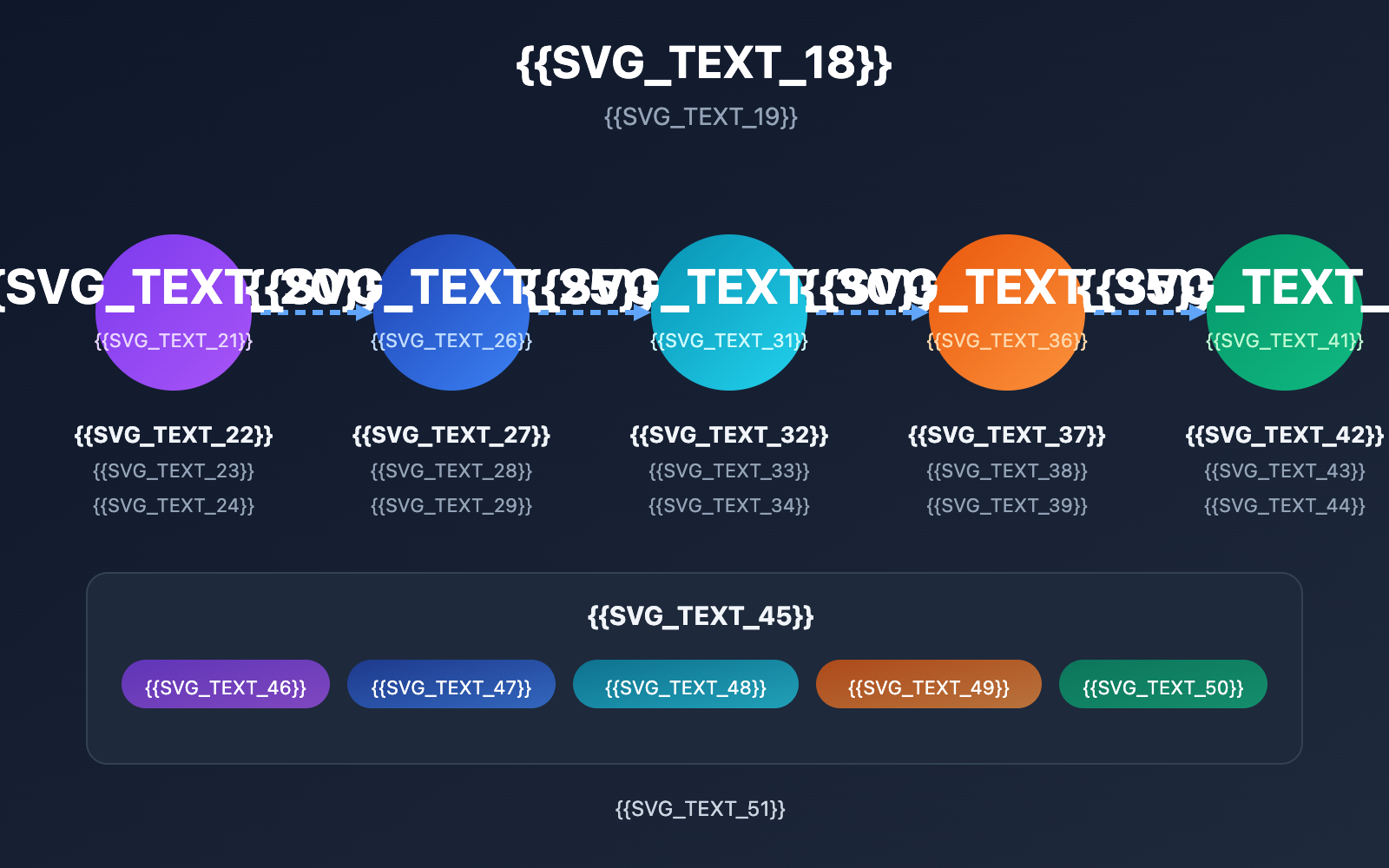
Step 1: Scripting
The story is the heart of a motion comic. A great script determines the upper limit of your work.
| Script Elements | Specific Requirements | Recommended Tools |
|---|---|---|
| Story Structure | Narrative arc, hooks in every episode | ChatGPT, Claude |
| Dialogue Design | Concise and punchy, suitable for dubbing | GPT-4o |
| Storyboard | Note visual content, camera movement, duration | Notion, Lark |
| Word Count | ~500-800 words of dialogue for a 3-min video | – |
AI-Assisted Scriptwriting Example:
import openai

client = openai.OpenAI(
    api_key="YOUR_API_KEY",
    base_url="https://vip.apiyi.com/v1"
)

response = client.chat.completions.create(
    model="gpt-4o",
    messages=[
        {"role": "system", "content": "You are a professional motion comic screenwriter, specializing in suspense, sweet romance, and urban drama scripts."},
        {"role": "user", "content": "Please write a 3-minute urban romance motion comic script, including storyboard instructions."}
    ]
)
print(response.choices[0].message.content)
Step 2: Comic Asset Preparation
The visual presentation of a motion comic relies on high-quality comic assets. There are three main ways to get them:
Method 1: Original Drawing
- Best for creators with a drawing background.
- Tools: Procreate, Clip Studio Paint, Photoshop.
Method 2: AI Generation
- Best for creators without a drawing background.
- Tools: Midjourney, Stable Diffusion, DALL-E 3.
- Key Challenge: Maintaining character consistency is the biggest hurdle.
Method 3: Licensed Assets
- Buy or collaborate to get rights to existing comics.
- Platforms: Zcool, Huaban, major comic platforms.
💡 Practical Advice: When generating comics with AI, use consistent character prompts and leverage ControlNet or reference images to keep the style uniform.
You can connect to various image generation models via APIYI (apiyi.com) to easily test different styles.
Step 3: Dynamic Effects Production
This is the core stage of motion comic production, where static images are turned into dynamic videos.
Common Dynamic Effects:
| Effect Type | Use Case | Tools |
|---|---|---|
| Camera Zoom/Pan | Emphasize focus, emotional rendering | After Effects, CapCut |
| Frame Scaling | Detail focus, visual impact | Premiere, CapCut |
| Panning/Sliding | Scene display, transitions | DaVinci Resolve |
| Layered Animation | Character movement, special effect overlays | Cartoon Animator |
| AI Video Gen | Overall visual dynamization | Runway, Pika, Kling |
Step 4: Dubbing and Sound Effects
Audio is a critical factor in raising the quality of your motion comic.
Dubbing Options:
| Solution | Pros | Cons | Use Case |
|---|---|---|---|
| Human Voiceover | Rich emotion, strong expression | High cost, long cycle | Premium commercial work |
| AI Voiceover | Low cost, high efficiency | Can sound slightly robotic | Mass production |
| Hybrid Solution | Balances quality and efficiency | Requires coordination | Medium budget |
Recommended AI Dubbing Tools:
- Domestic (China): Xunfei, Alibaba Cloud TTS, Volcengine.
- International: ElevenLabs, Murf.ai, Play.ht.
Step 5: Post-Production and Publishing
Post-Production Checklist:
- Editing & Assembly: Piece together visuals and audio according to the storyboard.
- Subtitles: Sync dialogue subtitles; optional bilingual subtitles.
- Polishing: Add transitions, filters, and lighting effects.
- Format Output: Vertical 9:16, resolution 1080×1920.
- Multi-platform Distribution: TikTok, Kuaishou, Red (Xiaohongshu), Bilibili, etc.
Publishing Tip: Different platforms have different preferences for video length and content. Adjust accordingly—TikTok is great for 1-3 minutes, while Bilibili can handle 5-10 minutes.
Comic Drama Production Tools: From Beginner to Pro
Choosing the right tools can seriously boost your production efficiency. Here’s a breakdown of recommended tools by use case:
AI Comic Generation Tools
| Tool Name | Core Advantage | Best For | Website |
|---|---|---|---|
| Midjourney | Stunning quality, versatile styles | Those chasing top-tier visuals | midjourney.com |
| Stable Diffusion | Open-source and free, local deployment | Tech-savvy creators | stability.ai |
| DALL-E 3 | Accurate prompt understanding | Efficiency-first creators | openai.com |
| NovelAI | Specialized in 2D/anime styles | Japanese manga styles | novelai.net |
AI Video Generation Tools
| Tool Name | Core Capability | Price Range | Website |
|---|---|---|---|
| Runway Gen-3 | High-quality image-to-video | $15-76/mo | runwayml.com |
| Pika Labs | Generous free tier | Free-$58/mo | pika.art |
| Kling AI | Domestic, optimized for Chinese | Free trial | kling.ai |
| Luma Dream Machine | Smooth motion | Free-$29/mo | lumalabs.ai |
Video Editing Tools
Professional Grade:
- Adobe After Effects: The go-to for motion effects and animation.
- Adobe Premiere Pro: Multi-track editing and professional color grading.
- DaVinci Resolve: A free professional-grade option with powerful color tools.
Entry Level:
- CapCut: Free, quick to learn, and packed with templates.
- BiliBili (Biji): The official Bilibili editor, loaded with ACG assets.
- Canva: Online editing, great for simple projects.
All-in-One AI Comic Platforms
A wave of all-in-one platforms dedicated to comic drama production emerged between 2025 and 2026:
| Platform | Core Function | Features |
|---|---|---|
| Fliki | Script-to-video workflow | Multiple comic styles available |
| HeyGen | AI-driven video generation | Business-grade output |
| ImagineArt | Animating comic scenes | Supports webtoon formats |
| LlamaGen | Comic-to-video conversion | Automatic storyboard recognition |
🎯 Tool Selection Tip: If you're a beginner, I'd suggest starting with CapCut + an AI drawing tool. Once you've mastered the basics, you can move up to professional tools like After Effects.
You can manage AI model API calls through APIYI (apiyi.com), which supports interfaces for various mainstream models.
Practical Comic Creation Tips
Maintaining Character Consistency
The biggest challenge in AI-generated comics is keeping characters looking the same. Here are some practical tips:
Tip 1: Detailed Character Profile Docs
Character Name: Lin Xiaoyu
Gender: Female, 22 years old
Hairstyle: Long straight black hair, bangs over eyebrows
Outfit: White shirt, blue pleated skirt
Features: Small mole near the corner of the left eye, often wears silver stud earrings
Tip 2: Use Reference Images
- Stick to one front-facing shot of the character as a reference for all generations.
- Use ControlNet or IP-Adapter technology to maintain features.
Tip 3: Batch Generation + Manual Selection
- Generate 4–8 images for every scene and pick the one with the best consistency.
Boosting Visual Impact
Using Cinematic Language:
- Close-ups: For emotional outbursts or key items.
- Wide shots: To establish the environment or switch scenes.
- Dutch angles: To create tension or a sense of instability.
- Low angles: To convey power or a sense of oppression.
Pacing Control:
- Daily dialogue: 2–3 seconds per frame.
- Tense scenes: 0.5–1 second per frame.
- Emotional climaxes: Use slow-motion and freeze frames.
Monetization Roadmap
| Monetization Method | Income Expectation | Requirements |
|---|---|---|
| Platform Revenue Sharing | $0.15 – $0.75 per 1k views | Established fan base |
| Paid Content | $0.07 – $0.45 per episode | High content quality |
| Ad Collaborations | $70 – $700 per post | Influence in a specific niche |
| IP Licensing | Negotiated pricing | Mature IP |
| Custom Services | $1,500 – $15,000 per project | Professional capabilities |
FAQ
Q1: How long does it take to learn motion comic production?
Getting started with motion comic production takes about 1 to 2 weeks. The main curriculum includes: basic video editing (3 days), using AI drawing tools (3 days), and creating dynamic effects (3-5 days). If you're aiming for a professional level, we recommend systematically learning After Effects, which typically takes 1 to 2 months.
Q2: How should I handle copyright issues for AI motion comics?
Copyright laws for AI-generated content currently vary by country. Here’s what we suggest:
- Use AI tools that explicitly allow commercial use.
- Perform "secondary creation" or manual processing on the generated content.
- Keep original records of your scripts and creative process.
- Consult with legal professionals for high-stakes or major projects.
Q3: How can I quickly test the performance of different AI tools?
We recommend using an API aggregation platform that supports multiple models for your testing:
- Visit APIYI at apiyi.com and register an account.
- Get your API Key and some free testing credits.
- Call different models (like GPT-4o, Claude, or Midjourney API) through a single unified interface.
- Compare the output quality to choose the tool combination that fits your style best.
Q4: Which is better for individual creators: motion comics or live-action short dramas?
Motion comics are generally a better fit for individual creators for several reasons:
- Lower production costs (you don't need actors, locations, or expensive gear).
- You can handle the entire workflow solo.
- There's a higher ceiling for visual quality since you aren't limited by physical filming conditions.
- AI tools provide a much stronger boost to the production process.
Summary
Let's recap the core points of motion comic production:
- Definition: A hybrid content form between comics and animation. It uses cinematography, voiceovers, and sound effects to transform static panels into engaging video.
- Workflow: Scriptwriting → Asset Preparation → Dynamic Effects → Voiceover & Sound → Post-production. You can complete a creation in just 5 steps.
- Tool Selection: Choose your tools based on your budget and technical skill. We recommend CapCut + AI drawing for beginners, and After Effects for more advanced creators.
- Monetization: There are diverse ways to earn, including platform revenue sharing, paid content, ad partnerships, and IP licensing.
Motion comics are set to be one of the most promising content creation tracks for 2025-2026. As AI technology matures, individual creators can now produce work at a professional standard. We recommend starting with a simple project to practice and gradually leveling up your production skills.
If you want to quickly experiment with various Large Language Models, check out APIYI at apiyi.com. The platform offers free credits and a unified interface for multiple models, making it the ideal choice for motion comic creators to test their AI toolkits.
📚 References
⚠️ Link Format Note: All external links use the
Resource Name: domain.comformat. This makes them easy to copy while remaining non-clickable to prevent SEO juice leakage.
-
Motion Comic Wikipedia: The history and definition of Motion Comics
- Link:
en.wikipedia.org/wiki/Motion_comic - Description: Understand the international definition and historical evolution of motion comics.
- Link:
-
Cartoon Animator Official Tutorials: Professional motion comic production tutorials
- Link:
magazine.reallusion.com - Description: Learn how to use professional tools to create high-quality motion comic effects.
- Link:
-
AI Comic Generation Best Practices: 2026 Guide to AI Comic Generation Models
- Link:
siliconflow.com/articles - Description: Explore the latest open-source comic generation models and how to use them effectively.
- Link:
-
Fliki Comic Short Video Tutorial: Getting started with AI comic video production
- Link:
fliki.ai/masterclass - Description: A quick-start guide for diving into AI-driven comic short video production.
- Link:
Author: Technical Team
Tech Talk: We'd love to hear about your motion comic production experiences in the comments! For more AI creation resources, feel free to visit the APIYI (apiyi.com) technical community.